Every autumn, millions of Americans tune in to watch their favorite teams. Football Sundays have become a true ritual. Today, that ritual increasingly comes with an open tab for NFL betting, where fans compare gut feelings with cold, hard numbers.
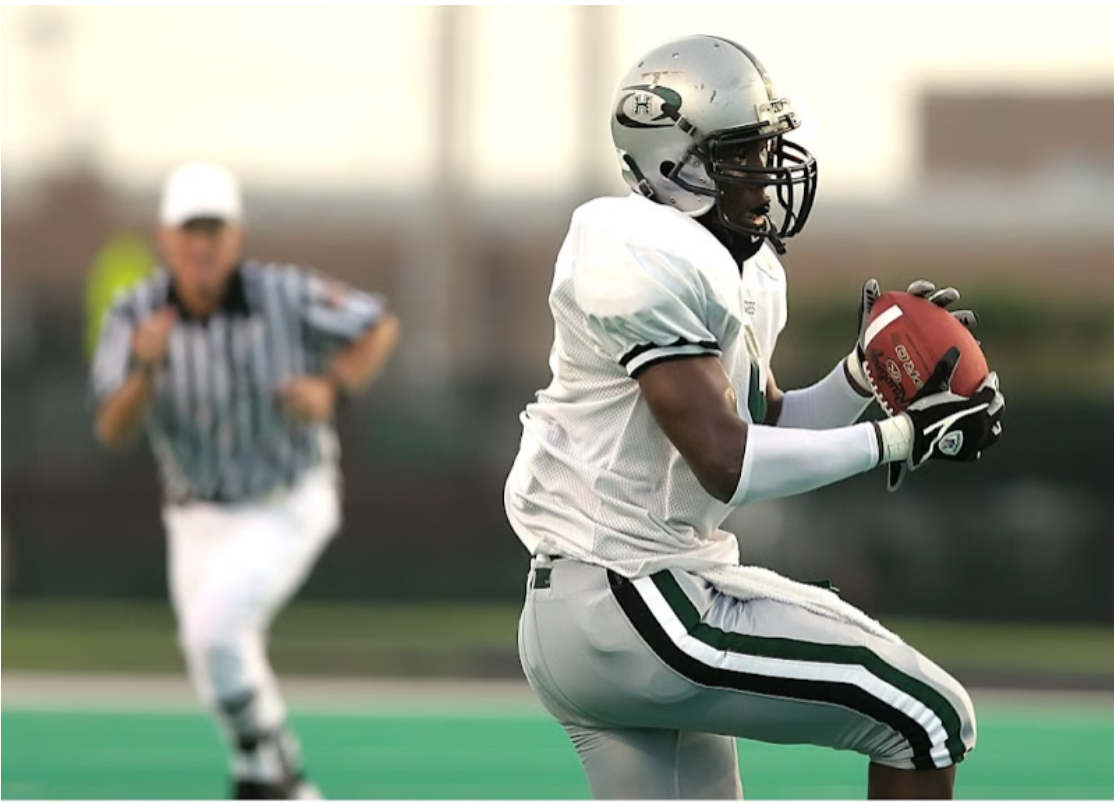
Technology has permeated the game more deeply than meets the eye — ranging from sensors in players' uniforms to algorithms that predict the outcome of a fourth-down play. In the past, such tools were available only to coaching staff; today, they are right in the pocket of any spectator.
Data Visible to the Fan
Just a decade ago, game broadcasts displayed little more than the score and the game clock. Now, screens show player speed, pass completion probability, and heat maps of movement across the field. Chips embedded in shoulder pads and dozens of cameras around the stadium perimeter gather these figures.
Data is processed almost instantly, and on-screen graphics update faster than a commentator can even say a player's name. Fans get to look at the same data coaches use, which completely changes how you watch the game.
Artificial Intelligence and Outcome Prediction
Smart tech takes a mountain of stats and boils them down into simple predictions. It factors in everything from a bad weather forecast or a star player's injury to how much a brutal flight across time zones takes out a team. Fans get the full picture so they can judge the odds for themselves before the game even starts.
According to Statista, the average TV audience for an NFL game during the 2025 regular season reached 18.7 million viewers — a seven percent increase over the previous season. Analytics services and personalized content largely drive this growth. Today, analytical services offer fans far more than just the score on the board.
Tech takes the guesswork out of sports, giving fans a solid read on both teams before the game even starts. Modern platforms provide features such as:
- team win probability forecasts;
- analysis of key player injuries;
- comparisons with historical matches;
- consideration of stadium weather conditions;
- personalized betting recommendations;
- real-time statistics;
- visualization of tactical formations.
With such a toolkit, the fan ceases to be merely a spectator. They become an analyst of the game, equipped with a near-professional set of data — a shift that noticeably changes their perspective on every match.
Personalization and User Convenience
Mobile apps have taken this trend further. Push notifications alert users to injuries before official press releases, while algorithms curate statistics for the team the user supports.
Such precision — once the stuff of science fiction — is now standard on any smartphone. That's where sites like MyBookie come in. They take care of the headache with 24/7 customer service, fast cash-outs, and sweet perks, making the whole data side of sports actually fun to use.
Deposit bonuses and a wide selection of casino games also deserve special mention. They make interacting with the platform not only informative but also entertaining, adding an extra layer of excitement.
Data and tech aren't replacing the thrill of game day — they're just making fans smarter. People are calling games based on real insights instead of pure intuition, and that trend isn't stopping anytime soon. Expect even cooler tools to drop in the next few years.