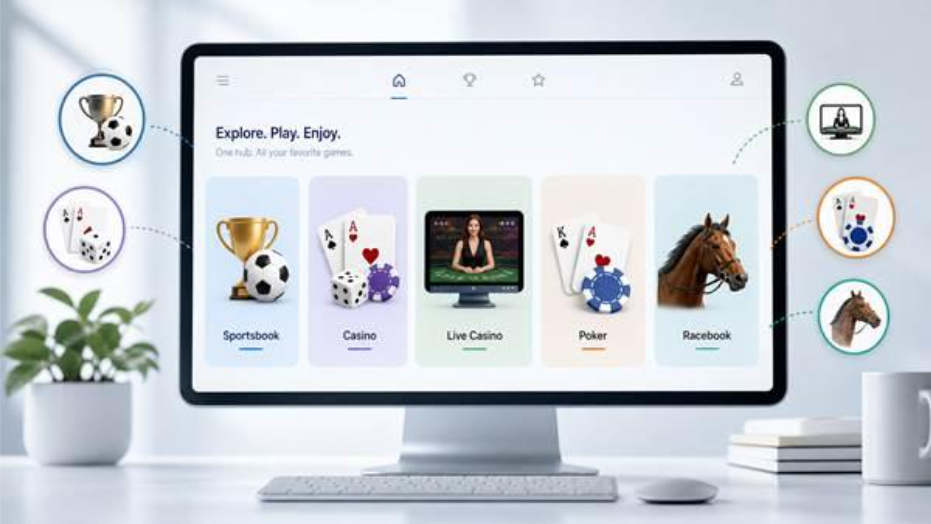
A sportsbook casino poker platform is easier to understand when each word is treated as a format, not a vague label. Sportsbook points to sports events. Casino points to game formats. Poker points to table and tournament play between players.
Research on cognitive load in digital and online learning explains that design choices can shape how much mental effort people spend understanding information. That idea fits here. When platform terms are precise, readers do not have to figure out every definition. Language itself does part of the work.
Seeing the Categories Together Early
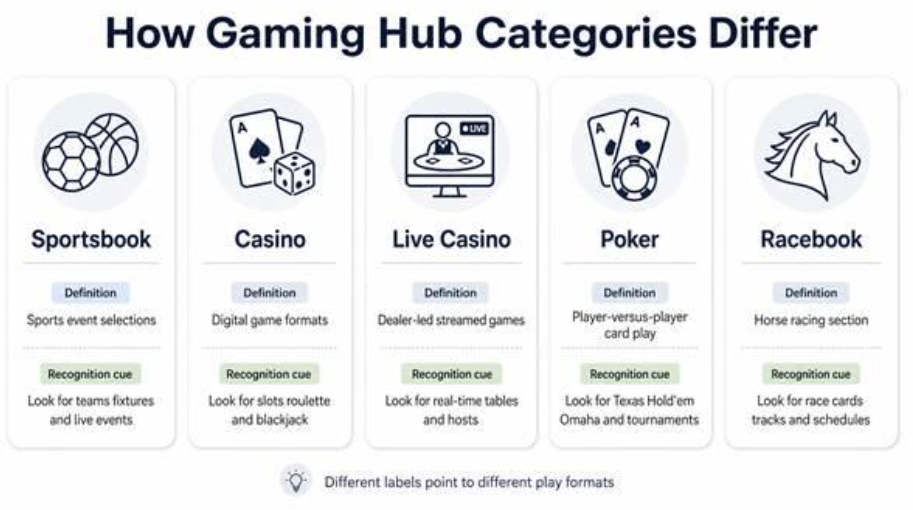
A broad platform example helps turn the terms into something concrete. Ozoon Canada presents sportsbook, casino, live casino, poker, and horses within one Canadian gaming destination, which makes it useful for understanding how these categories sit beside each other while keeping their own roles.
The sportsbook area is tied to sports events and selections. Casino covers formats such as slots, table games, and live dealer games. Poker has a distinct role because Texas Hold’em, Omaha, cash games, and tournaments involve table-based competition between players. Horses connect to the racebook idea, where racing is treated as its own category, rather than blended into every other sports format.
Looking at Ozoon Canada through that lens gives readers a direct, positive example of a multi-format hub. It is not about making the sections sound identical. It is about seeing clearly how accurate terms help each format stay understandable inside one connected entertainment environment.
Lots of people want this kind of setup, a platform that lets them access many different services and options at once – but ensuring language clarity is constantly maintained is absolutely key for good customer satisfaction.
The Difference Starts With the Source of Action
The biggest distinction is where the action begins. In a sportsbook, the starting point is an outside sports event. The platform presents selections connected to teams, players, matchups, dates, and live schedules. That makes sports content time-based and event-led.
Casino formats work differently. Their identity comes from the game itself. A slot is recognized by reels and themes. Roulette is recognized by a wheel and numbered layout. Blackjack is recognized by card totals and dealer interaction. Baccarat is recognized by player, banker, and tie outcomes. The reader does not need advanced knowledge to see the pattern. Casino terms usually name the game format first.
Live casino adds another layer. It uses familiar game types, but the presentation is built around a streamed dealer-led setting. That makes it feel closer to watching a live table unfold, while still belonging to the wider casino category.
Poker sits apart again. It is card-based, but the structure is different from ordinary table games. Texas Hold’em and Omaha signal player-versus-player decisions, community cards, betting rounds, and table position. Cash games, Sit & Go tournaments, scheduled tournaments, and fast-fold formats describe rhythm rather than simply naming a card game.
Racebook is easily misunderstood because many casual readers rarely see it outside gaming platforms. It simply points to horse racing. That section usually carries racing-specific language, such as tracks, race cards, runners, and scheduled races. The name gives racing its own place in the reader’s mental map.
Why Multi-Category Platforms Need Clear Terms
Good category language saves time. It lets someone understand whether they are reading about a sports event, a digital game, a live dealer format, a poker table, or a horse race before they go any deeper. That clarity matters even more on mobile, where small screens make every word work harder.
It also helps content feel more useful. A reader searching “sportsbook vs casino vs poker” wants the clean difference between formats. A reader searching “what does racebook mean online” wants a plain definition. A reader searching “what is an online gaming hub” wants to know why these terms appear together without being treated as the same thing. That is why descriptive language beats overcomplicated explanations. When you bear in mind how limited some people’s leisure time is, it’s even more important to ensure that they can tell what is being offered at a glance.
The Simple Way To Read Any Gaming Hub
A useful way to read a multi-category hub is to ask what each section is centered on. Is it centered on an outside event, a standalone game, a live table, player-versus-player cards, or racing? That one question usually reveals the category.
This makes the topic less about memorizing industry words and more about recognizing patterns. The same principle applies across digital products: people understand systems better when visible structure matches what they are trying to do, a point supported by research on visualizing user-website interaction.