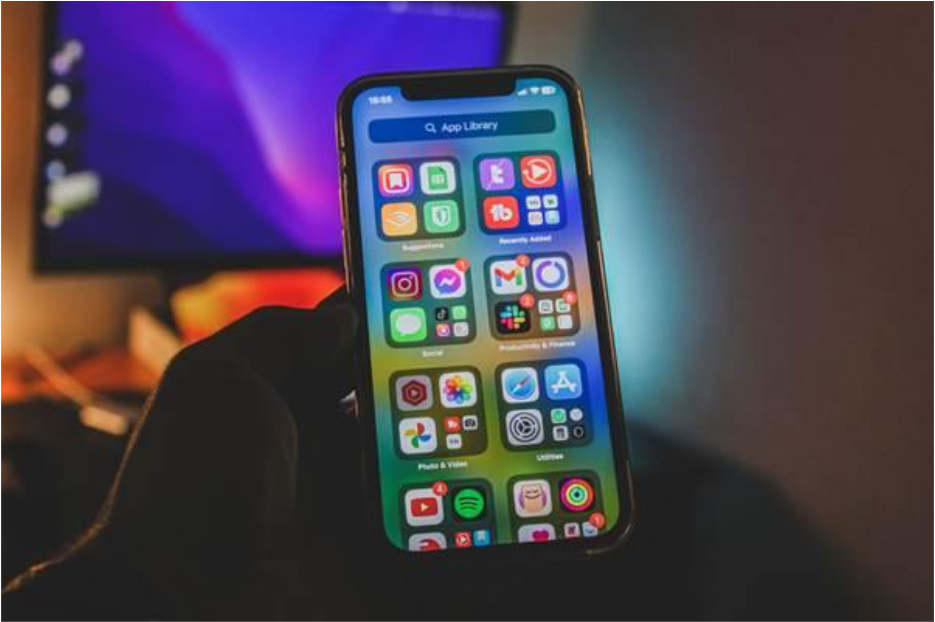
Most comparisons between a browser casino and a native app start in the wrong place. They focus on whether an app feels more “serious,” when the real question is whether it actually removes friction. In most cases, browser play wins because it asks less from the user at the start. There is no install, no app-store detour, and no decision about whether a gaming app deserves permanent space on your phone. If the site opens quickly, scales properly to a smaller screen, and keeps the same core experience across devices, the browser has already solved most of the problems people assume only an app can solve.
The Format Debate Starts With Function
That is also the logic behind a broader design principle in software. An open-access journal article on responsive-design websites versus mobile apps argues that the better choice depends on purpose, required functionality, development constraints, and cross-device access, not on a blanket assumption that apps are always superior. The same frame is useful here. A browser-based casino has a real edge when the main job is immediate access, short-session play, and continuity between phone and desktop. In those cases, the smartest format is often the one that gets out of the way fastest.
What Browser-First Actually Looks Like
A good browser-first casino should feel complete before it feels flashy. On its homepage, Cafe Casino describes itself as mobile-optimized and says no download is necessary, which is exactly the kind of claim worth testing in practice. It also presents a broad game mix that includes slots, blackjack, roulette, bingo, video poker, and live dealer titles, so the browser experience is not framed as a stripped-down version of something better hiding in an app. That matters.
If a service only works well after installation, its browser version is usually doing little more than advertising the app. If the browser version is the real product, the experience should load cleanly, keep the main categories available, and let you move between screens without friction.
That is why Cafe Casino works as a useful example here. It gives readers a live environment where “instant play” can be judged by what actually happens on the screen rather than by a tagline. You can see whether the site feels stable on mobile, whether the same account flow carries over to desktop, and whether starting play through a browser feels direct enough that an app stops looking essential.
If you want a quick snapshot of how a good casino experience prompts user feedback, check out this short Instagram testimonial.
Why the Browser Advantage Feels Bigger on Mobile
The biggest advantage of browser play on mobile is not novelty. It is optionality. A native app asks for commitment upfront: download it, store it, update it, then decide whether it deserves a place on your phone. Browser play reverses that order. You open the site, see how fast it loads, test how it feels on a smaller screen, and only then decide whether it is worth returning to. That order matters more than it seems because mobile friction is cumulative. A small delay, an update prompt, or another app sitting unused in storage can all make the experience feel heavier than it needs to.
There is also a behavioral edge. Browser-first products feel easier to try because they follow familiar web habits. Open the browser, sign in, continue. That lowers perceived commitment and makes quick sessions feel more natural. It also removes a quiet source of inconsistency: version lag. With a strong browser product, improvements appear the next time the page loads, without asking the user to manage another install cycle.
|
What Changes on Mobile |
Browser Play |
Native App |
|
First-time access |
Immediate in-browser entry |
Requires download first |
|
Storage impact |
No permanent app footprint |
Uses device storage |
|
Updates |
Handled on reload |
Often tied to app updates |
|
Device switching |
Usually simpler across screens |
Can feel more siloed |
|
Trial before commitment |
Easy to test quickly |
Commitment comes earlier |
None of this means native apps are bad. They can still make sense where deeper device integration matters. But for short, repeat visits, browser play often feels lighter, faster, and easier to live with.
The Better Question to Ask
So, the better comparison is not browser casino versus app in the abstract. It is whether the browser version already does enough that downloading feels unnecessary. If it opens quickly, carries the same experience across screens, and keeps the core product intact on mobile, it has already met the standard most users actually care about. Another open-access study in Frontiers in Psychology found that a visually appealing smartphone web app can improve users’ subjective experience and objective performance, which is a useful reminder that the quality of the browser experience matters more than the format label attached to it.