We post our breakfast, our location, our opinions, and sometimes even our boarding passes. Sharing has become second nature. But every photo, check-in, and comment adds another piece to a digital puzzle that strangers can quietly assemble.
Most people don't think twice before hitting "post." Yet that small habit is exactly what makes online data protection tips so relevant right now. The internet never really forgets, and privacy, once given away, is hard to win back.
Why Oversharing Feels So Normal
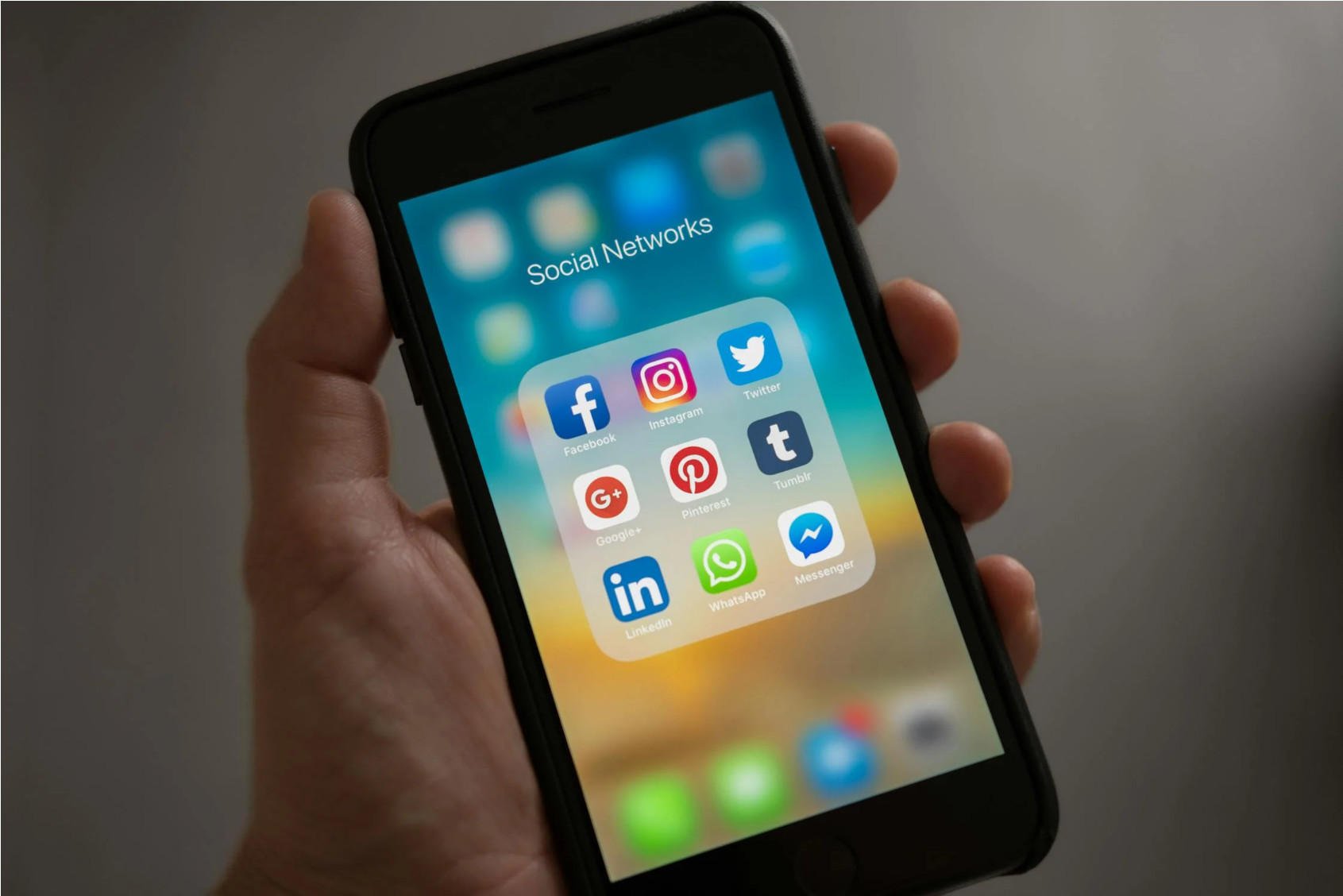
Social platforms are built to reward disclosure. The more you share, the more likes, comments, and attention you get — it's a loop that keeps pulling people back in. Nearly 5 billion people now use social media worldwide, and the average user spends over two hours a day scrolling and posting.
That constant activity generates a trail. Location tags, tagged friends, workplace details, even the background of a photo can reveal more than intended. None of it feels dangerous at the moment. Added together, though, it paints a fairly complete picture of someone's daily life.
The Real Cost of Sharing Too Much
Personal data has quietly become one of the most traded commodities online. Marketers want it, scammers want it, and data brokers build entire businesses around collecting and reselling it. According to cybersecurity researchers, a stolen identity can sell for as little as $1 to $30 on underground markets, depending on how much information comes attached.
Identity theft isn't rare either. Roughly 1 in 15 people experience some form of it each year. Phishing attempts, fake job offers, and cloned social profiles often start with information the victim posted themselves, willingly and without a second thought.
Meeting People Online Comes With Its Own Rules
Video chat and social apps have made it incredibly easy to meet new people, but that convenience requires a little caution. Choosing platforms that take moderation seriously matters more than most people realize. OMGFun, for example, is a video chat platform that leans into safety features like content moderation and optional anonymity. If you must communicate with strangers, it's best to use secure platforms like OMGFun, which allow you to keep your personal information private during video chats.
Rethink What You Post Before You Post It
A simple pause before posting can prevent a lot of regret later. Ask a quick question: would I be comfortable with a stranger, an employer, or a future landlord seeing this? If the answer is no, it probably shouldn't go online.
Geotags are one of the sneakiest privacy leaks. Turning off location sharing on photos, and waiting to post vacation pictures until after the trip ends, removes an easy way for someone to track real-time movements.
Strengthen Your Passwords and Logins
Weak passwords remain one of the biggest doors hackers walk through. Over 80% of data breaches involve stolen or weak credentials, which is a staggering number considering how easy the fix actually is. Long, unique passwords for every account — combined with a password manager — close that gap almost instantly.
Two-factor authentication adds another lock on the door. Even if a password leaks, a second verification step (a text code, an app prompt) can stop an intruder cold. It takes thirty seconds to set up and can save weeks of cleanup later.
Public Wi-Fi Is Not as Safe as It Feels
Coffee shop Wi-Fi is convenient, but it's also a favorite hunting ground for cybercriminals. Unsecured networks let attackers intercept data traveling between a device and the internet, sometimes without the user noticing anything unusual at all.
A VPN, or virtual private network, encrypts that connection so outsiders can't easily peek in. Tools like VeePN work quietly in the background, masking a device's location and scrambling data so it's unreadable to anyone trying to snoop on public networks. For anyone who works from cafes, airports, or hotels regularly, it's one of the simplest habits to build.
Review App Permissions Regularly
Apps often ask for more access than they actually need. A flashlight app requesting contacts, or a game asking for microphone access, should raise an eyebrow immediately. Most smartphones let users check and revoke these permissions in just a few taps.
It's worth doing this every few months, since app updates sometimes reset permissions or quietly request new ones. Five minutes of housekeeping can close gaps that would otherwise sit open indefinitely.
Teach Digital Boundaries at Home
Kids and teens often share more than adults do, mostly because they haven't learned the risks yet. Talking openly about what's safe to post — and what isn't — helps build habits that stick for life. Studies suggest that over 40% of teenagers have posted something online they later regretted.
Adults aren't immune either. Even seasoned professionals fall for phishing emails or oversharing in "harmless" quizzes that quietly harvest personal details. Everyone benefits from a periodic reminder that privacy takes effort to protect.
Small Habits, Big Protection
None of this requires becoming a cybersecurity expert overnight. Safeguarding personal privacy is less about one big fix and more about a handful of small, repeated choices: strong passwords, careful sharing, cautious clicking, and a healthy dose of skepticism.
The internet isn't going to slow down, and neither is the culture of sharing everything instantly. But a little friction — pausing before posting, checking permissions, using the right tools — goes a long way toward keeping personal information exactly where it belongs: under the owner's control.
Privacy isn't about disappearing from the internet completely. Nobody needs to delete every account or stop posting altogether just to stay safe. It's about being intentional — sharing what genuinely adds value to a life, while quietly protecting the details that don't need an audience. That balance, once it becomes a habit, barely feels like effort at all.